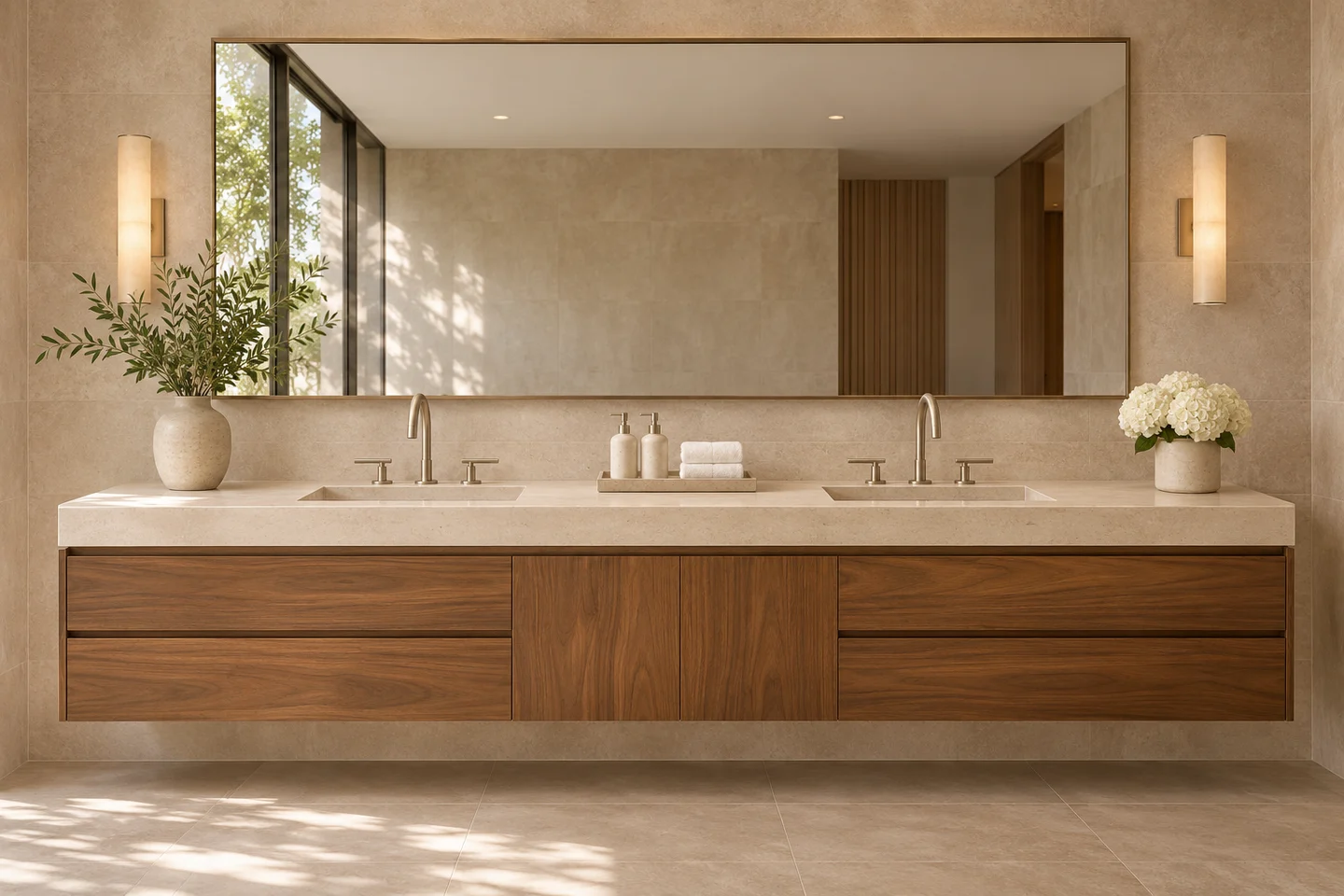
Application concept from the Jochan product library.
For a wood bathroom vanity, consider solid oak for the doors and drawer fronts if you want visible natural grain. A cabinetry-grade plywood body with a suitable finish and sealed edges is a practical option for the cabinet around the basin. Before ordering, check the materials by component, the protection around plumbing cutouts, and whether the unit fits the room and leaves the fittings accessible.
The most revealing part of a vanity is often inside it. Look under the basin at the cabinet bottom, the cut edges around the pipes, and the space left behind the drawers. These details tell you where splashes or a small leak could reach the wood and whether someone can get to the fittings to fix it.
Compare oak, plywood, MDF, and oak veneer
An “oak vanity” can describe the visible finish, the door material, or a combination of materials. Ask for a component schedule covering the doors, drawer fronts, sides, bottom, shelves, and back panel.
Material
Where to consider it
What to verify
Solid oak
Doors, drawer fronts, and visible frames
Species, finish, construction, and coverage on the backs and edges
Plywood
Cabinet body and shelves
Panel grade, thickness, surface finish, sealed edges, and plumbing cutouts
MDF
Smooth painted fronts and routed profiles
Panel grade, finish on machined edges, and intended exposure
Oak veneer
A natural oak surface over a separate core
Substrate, edge treatment, finish, and acceptable grain variation
Solid oak for doors and drawer fronts
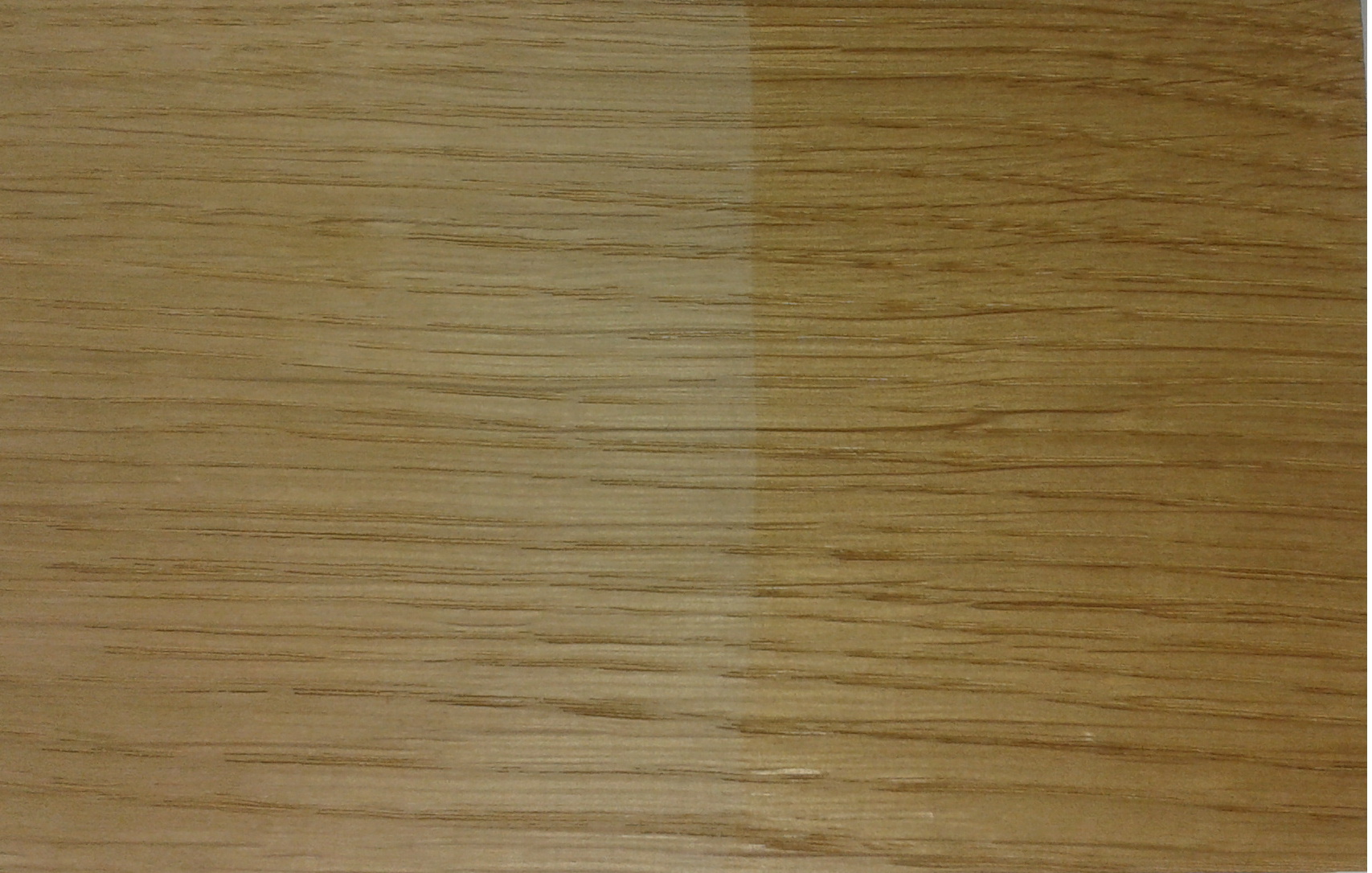
Oak is a good first choice for solid wood vanity fronts when natural grain is a priority. Ask the supplier to identify the oak species and confirm which components are solid oak. Approve a finished sample for color and sheen, then turn it over and check the bottom edge and back. For framed doors, ask how the construction accommodates seasonal movement. Different oak species and cuts can vary in grain and performance. USDA Wood Handbook
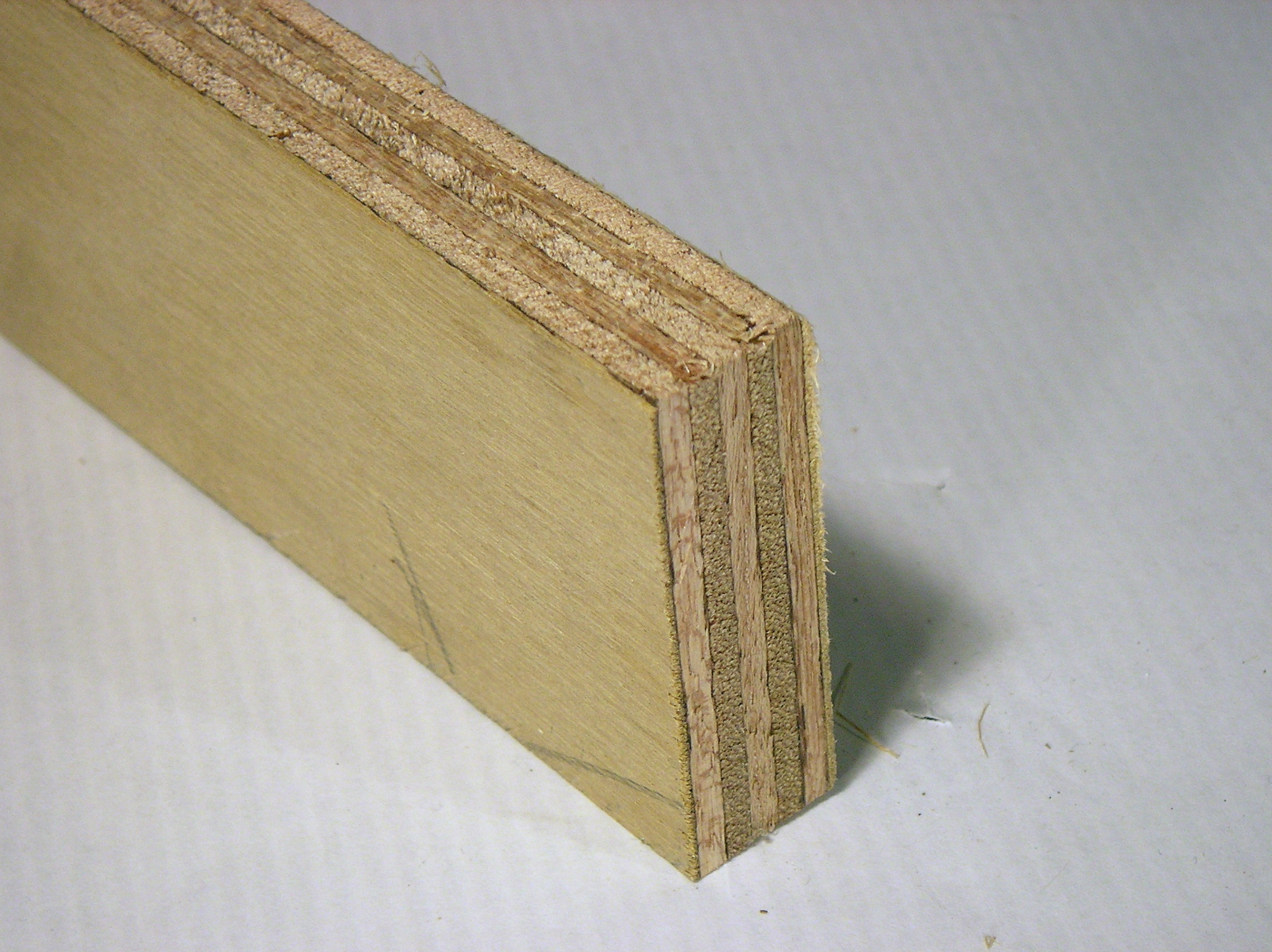
Plywood can work well for cabinet sides, bottoms, and shelves when the grade and finish suit the location. Ask for the panel specification and examine the exposed edges on the sample, including those around the drain and supply lines. If site cutting is necessary, confirm who will protect the new cut edges before the vanity goes into service. APA cabinetry panel guidance
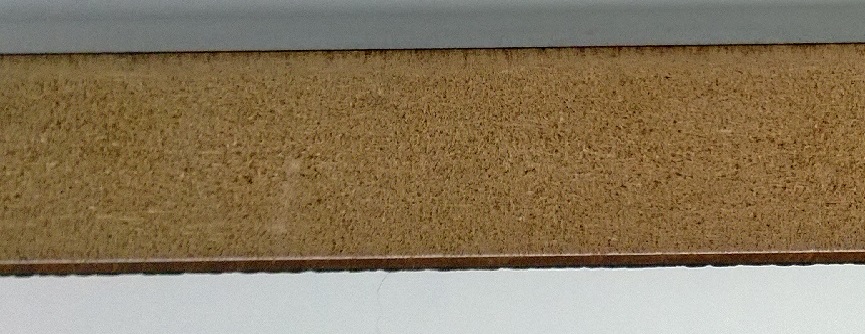
MDF can suit a smooth painted door or a routed profile in a well-ventilated bathroom. Ask which grade is specified and how the supplier finishes the routed edges, the back of the door, and any machined openings. Protect standard interior MDF from repeated wetting, particularly at exposed edges. Composite Panel Association handling guidance
Oak veneer is a thin layer of oak bonded to a substrate such as plywood or MDF. Ask which core the supplier proposes and how it will finish the visible edges. For several rooms, approve a range of samples so the supplier and inspector can judge acceptable differences in grain and color.
What if the quote lists timber imported from Thailand?
Ask for the species, country of origin, and finish specification. If the material is rubberwood, review the treatment and coating proposed for bathroom use. Research on plantation-grown rubberwood reports low natural durability, so origin alone provides no basis for a mold-resistance claim. If the material is teak, ask for the species and grade before comparing it with oak. For any timber, request evidence specific to the proposed finished assembly if moisture or mold performance is part of the specification. Rubberwood durability research
Check where water can reach the cabinet
Look at the basin rim, countertop-to-wall joint, faucet openings, pipe cutouts, and cabinet bottom. A finished face only protects the area it covers. If the vanity sits beside a shower, review where direct spray can reach. For a floor-standing unit, ask how the base will be protected during wet cleaning. Plan for ventilation and make sure the trap and valves remain easy to reach.
For a hotel or apartment order, ask to see a sample with a finished corner and an actual cutout. A door swatch can settle the color, while a cabinet sample lets you inspect edge treatment, joints, and drawer operation. Agree which details will be checked before shipment, especially if the same unit will be installed in many rooms.
Measure the finished opening and check the plumbing
Measure from the finished floor and wall surfaces. Check the vanity width and depth against the bathroom door, shower screen, and nearby fixtures. Then confirm the basin depth, drain position, trap, and shutoff valves. Compare them with the usable space behind and above the drawers.
For example, two vanities can fit the same opening and offer different storage. A deep undermount basin and its waste fitting can occupy the space needed by a full-depth top drawer. A revised drawer layout can clear the fittings if it also leaves room to reach the trap and valves. Confirm the arrangement on a section drawing before ordering.
Wall-hung or floor-standing?
A wall-hung vanity leaves the floor below accessible for cleaning. Confirm the supporting wall and mounting detail with the installer or responsible design team, including the combined weight of the cabinet, top, and basin.
A floor-standing vanity can suit a room where legs or a plinth fit the design. Check how the cabinet will be leveled and whether a removable panel or drawer gives access to the plumbing. For a hotel project, carry these details into the room schedule and mock-up. Hotel bathroom vanity specification guide
Compare complete quotes before ordering
Give each supplier the same brief. Include finished dimensions, room type, mounting preference, desired finish, basin model if selected, and quantities. Ask each supplier to confirm:
The material and finish for the cabinet body, doors, drawer fronts, and back panel.
Edge treatment and responsibility for any factory or site cutouts.
Whether the countertop, basin, faucet, mirror, hardware, and mounting components are included.
The drawings and samples that need approval before production.
For bulk orders, how units will be inspected, packed, and identified by room type.
Start the price comparison with the countertop and basin scope. A lower quote can leave you with separate templating, local countertop sourcing, or drawer changes after delivery.
Frequently asked questions
Is oak better than plywood for a bathroom vanity?
They suit different components. Choose solid oak for visible fronts when you want natural grain. Consider plywood for the cabinet body when the specified grade, joints, finish, and edge protection suit the room. One vanity can use both.
Can I use an MDF vanity in a bathroom?
MDF can work for painted fronts in a well-ventilated bathroom when the panel grade and finish suit the exposure. Check the routed edges and machined openings. Keep standard interior MDF away from repeated wetting.
Is an oak vanity waterproof?
The wood and its finish still need protection from persistent water exposure. Check the finish and cut edges, wipe up standing water, ventilate the room, and repair leaks promptly.
What should I check before placing a bulk order?
Approve a representative unit with the intended basin, top, and hardware. Verify drawer travel, valve access, mounting, finish, and packaging. If rooms differ, flag the units that need different drilling, cutouts, or drawers.
Conclusion
Choose the visible finish you want, then verify how the cabinet will be installed, cleaned, and serviced. Specify the material of each component and review the sink area on the drawing and sample. That gives the buyer, supplier, and installer the same reference before production.